Skip to content
India’s apparel industry is a powerhouse—mixing heritage craft with modern retail, local artisans with fast-growing brands, and export giants with nimble, digitally native labels. In the race for profit, some clothing companies stand out for their consistency, scalability, and ability to set trends that capture both Indian and global consumers. But what really drives profitability, and how do the apparel manufacturers in Delhi help India’s top brands achieve those results? If you’re an emerging founder or a manufacturer in Delhi, understanding the business models behind India’s profit leaders can help you chart your own path to growth.
The most profitable clothing companies in India—like Fabindia and Manyavar—succeed by blending in-house manufacturing, deep brand loyalty1, flexible business models, and a culture of operational efficiency. In Delhi, apparel manufacturers are not just suppliers; they are innovation partners and the backbone for brands targeting both mass and premium segments.
Let’s break down the profit playbook, the role of Delhi manufacturers, and the growth strategies that can help you stand out in India’s competitive fashion market.
How Profitability Is Measured in the Indian Apparel Sector
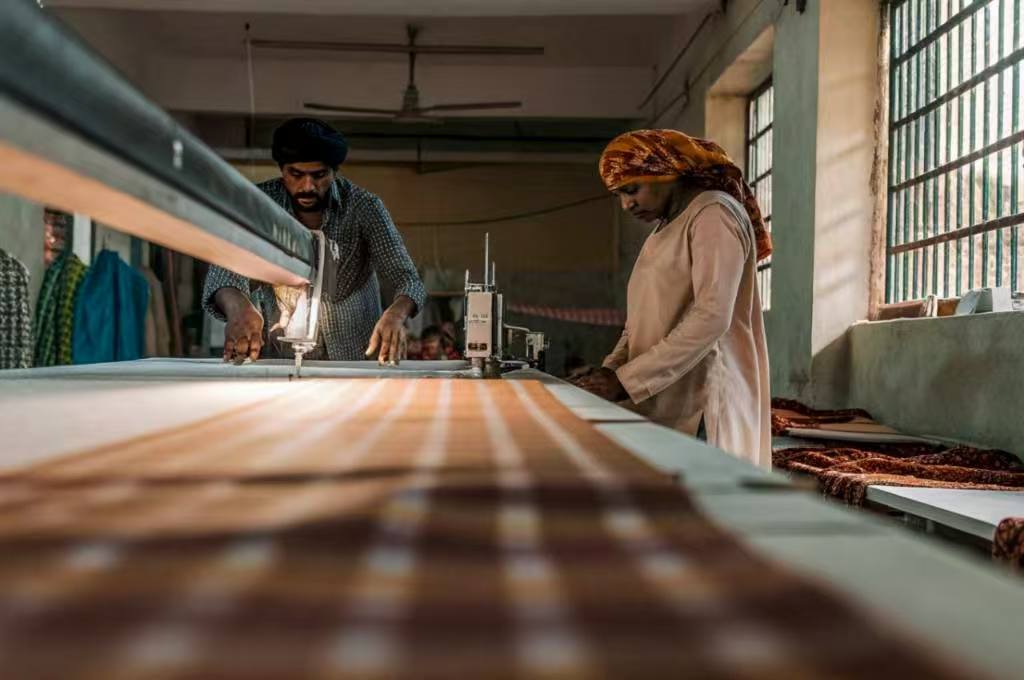
Traditional tailoring
Is profitability based on revenue, margin, or manufacturing efficiency?
Measuring “most profitable” is about much more than headline revenue or flashy ad campaigns:
- Net Profit Margin2: The bottom line after all costs—a true indicator of health and operational discipline.
- EBITDA Margin3: Shows how well a company manages overhead, labor, and logistics, even before interest or taxes.
- Return on Capital Employed (ROCE)4: Reflects how well assets are used to generate profit, a favorite metric for investors.
- Manufacturing Efficiency5: Brands that control COGS (cost of goods sold) and can scale without ballooning costs consistently outrank rivals.
Key Metrics List for Apparel Profitability
- Net and EBITDA margins
- ROCE and asset turnover
- Inventory turnover rate (faster = less dead stock)
- Sourcing and labor cost per garment
- Percentage of in-house vs. outsourced production
Why is in-house production often a key factor in high-profit fashion companies?
- Cost Control: Owning your production or locking in long-term contracts prevents sudden price hikes from vendors.
- Speed to Market: Direct oversight lets brands react to trends or festivals in days, not weeks.
- Consistent Quality: In-house lines mean fewer quality issues, less rework, and happier customers.
- Greater Customization: Brands can experiment with styles, fits, and value-added features quickly—boosting sell-through and margin.
Top Clothing Companies Dominating Profitability in India
How have Fabindia and Manyavar maintained consistent profitability?
- Fabindia: Their model is built on value chain ownership. By sourcing directly from artisan groups and rural clusters, they avoid many middleman costs and keep sourcing ethical and traceable. They invest in their retail experience, pricing products to reflect heritage and craftsmanship rather than racing to the bottom on discounts. Exports to NRI and international markets provide dollar-based revenue, stabilizing margins against local market shifts.
- Manyavar (Vedant Fashions): Manyavar’s “wedding to wardrobe” strategy means they dominate both high-margin seasonal sales (weddings, festivals) and recurring, everyday ethnic wear. Their in-house production and exclusive retail stores allow for precise inventory control, minimizing markdowns and overstock.
Top Profitable Clothing Companies in India
| Brand | Core Focus | Net Profit Margin | Key Strengths |
|---|---|---|---|
| Fabindia | Ethnic/fusion, DTC | 12–15% | Artisan sourcing, premium pricing |
| Manyavar | Men’s ethnic wear | 18–22% | Vertical integration, event sales |
| Trent/Westside | Modern private label | 8–12% | Fast inventory cycles, branding |
| Aditya Birla Fashion | Multi-brand | 7–10% | Licensing, large format retail |
What business models make these brands outperform fast fashion rivals?
- Vertical Integration: Ownership of every link, from fabric sourcing to final retail sale, ensures higher capture of value at each stage.
- Brand Loyalty: These brands invest in customer experience—physical stores, loyalty programs, and unique events—keeping shoppers coming back.
- Agile Inventory: Real-time data and quick replenishment mean less waste and more full-price sales.
- Category Focus: Rather than chasing every trend, they double down on high-margin niches (weddings, heritage, premium ethnic) where buyers value uniqueness over price.
The Role of Apparel Manufacturers in Delhi in India’s Fashion Economy
What makes Delhi a hub for apparel manufacturing in India?
Delhi’s garment industry is more than just scale—it’s about depth and diversity:
- Location: Proximity to major northern textile hubs and direct connections to ports and airports for export.
- Workforce: Decades of skilled labor, especially in value-added categories like embroidery, handwork, and tailoring.
- Industry Ecosystem: Delhi’s “apparel clusters”—Okhla, Noida, Gurgaon—offer everything from fabric markets to finishing units and logistics support.
- Government Policy: Export zones, SEZs, and skill development programs fuel local investment and workforce stability.
Delhi’s Manufacturing Strengths
- Quick turnaround for both sampling and bulk production
- Wide capability: ethnicwear, western, kids, outerwear, even technical apparel
- In-house washing, dyeing, finishing, and packaging
- Fast access to trims, labels, and sustainable fabrics through local suppliers
Are any Delhi-based manufacturers known for working with top profitable brands?
Yes—Delhi is home to multiple export giants and niche leaders:
- Shahi Exports: India’s largest apparel exporter, working with dozens of global and premium Indian brands.
- Orient Craft: Renowned for both high-volume and high-quality output, supplying major Indian labels and international retailers.
- Pee Empro Exports: A leader in formal and fashionwear, also providing ODM (original design manufacturing) services for DTC and private label brands.
These manufacturers are trusted because of their commitment to compliance, social responsibility, and their ability to scale with their partners—something both Fabindia and Manyavar rely on for new product lines or seasonal peaks.

Factors That Influence Profit Margins in Indian Clothing Brands
How do design control, vertical integration, and low real estate costs boost margins?
- Design Control: Quick in-house prototyping means faster reaction to trends and less risk of expensive errors.
- Vertical Integration: Brands can move from design to finished product in weeks, not months, capturing all value and avoiding markup from outside suppliers.
- Real Estate: Compared to Mumbai or Bangalore, Delhi’s manufacturing and retail space is more affordable, reducing overhead for both factories and showrooms.
What role do exports and private label contracts play in profitability?
- Exports: Offer stable revenue, access to foreign exchange, and less exposure to local demand swings.
- Private Label Contracts: Allow manufacturers to use excess capacity, diversify revenue streams, and learn international standards—which improves efficiency across all business lines.
- OEM/ODM: By offering design-to-delivery solutions, Delhi manufacturers attract high-margin DTC and startup brands, positioning themselves as growth partners, not just vendors.
Profit Margin Drivers for Indian Brands
- Bulk fabric and trim sourcing at scale
- Efficient workflow management (lean manufacturing, digital tracking)
- Flexible MOQs and pilot runs for new launches
- Strong compliance (labor, safety, sustainability) opening doors to global buyers
What Emerging Apparel Manufacturers in Delhi Can Learn from India’s Leaders

How can smaller manufacturers scale profitably while maintaining quality?
- Invest in People: Upskill your workforce in both traditional crafts and digital manufacturing tools.
- Lean Production: Streamline operations for faster sampling, fewer errors, and real-time quality checks.
- Niche Specialization: Build a reputation in a particular segment (bridal, sports, sustainable) to command premium pricing.
- Digital Showrooms: Use online tools to reach global buyers, reducing dependency on seasonal trade fairs alone.
What investment strategies help Delhi manufacturers attract high-margin brand partnerships?
- Sustainability and Compliance: Achieve and promote certifications (GOTS, SEDEX, OEKO-TEX) to stand out in B2B directories and win contracts with global brands focused on ESG.
- Product Development: Invest in sample libraries, R&D, and trend tracking to show innovation and readiness for design collaboration.
- Marketing: Leverage digital platforms (LinkedIn, IndiaMart, Alibaba), and attend fashion/industry expos to build a visible, trusted brand image.
- Flexible Capacity: Offer both bulk runs and smaller, high-value batches for DTC and emerging designers.
Actionable Steps for Growth
- Hire or train a dedicated QC and compliance team
- Collaborate with local design schools for innovation
- Build “full package” capabilities (design, pattern, cut-sew, finish, ship)
- Invest in ERP/software for inventory and workflow management
Conclusion
India’s most profitable clothing companies achieve success by combining strong brand vision, direct control of production, and innovative, efficient business models. Delhi’s apparel manufacturers—armed with tradition, scale, and a willingness to modernize—are essential partners for these brands. For emerging manufacturers, the keys to higher profit margins and market relevance are technology, skilled labor, operational flexibility, and strategic partnerships with leading and next-gen Indian fashion labels.
-
Understanding brand loyalty can help you create lasting customer relationships. ↩
-
Understanding this metric is crucial for evaluating a company’s financial health. ↩
-
Learn how this metric reflects operational efficiency and profitability. ↩
-
This metric helps investors assess how effectively a company uses its capital. ↩
-
Discover how efficiency can lead to higher profit margins in the clothing sector. ↩