Skip to content
I used to think all clothes were made the same—until I walked into a cut and sew1 workshop for the first time. The sight of raw fabrics transforming into garments blew my mind. That’s when I knew: this was where real fashion started.
Cut and sew is a complete garment manufacturing method2 starting from raw fabric. It involves pattern development3, fabric cutting4, assembly, and finishing. Unlike ready-made clothing, it enables full control over design, fit, and quality, making it ideal for brands seeking uniqueness and precision.
If you’ve ever wanted to create something truly original, not just slap your logo on a T-shirt, you’ll want to see how cut and sew can turn your ideas into fashion pieces that sell—and tell your brand’s story.
What Does “Cut and Sew” Mean in the Clothing Industry?
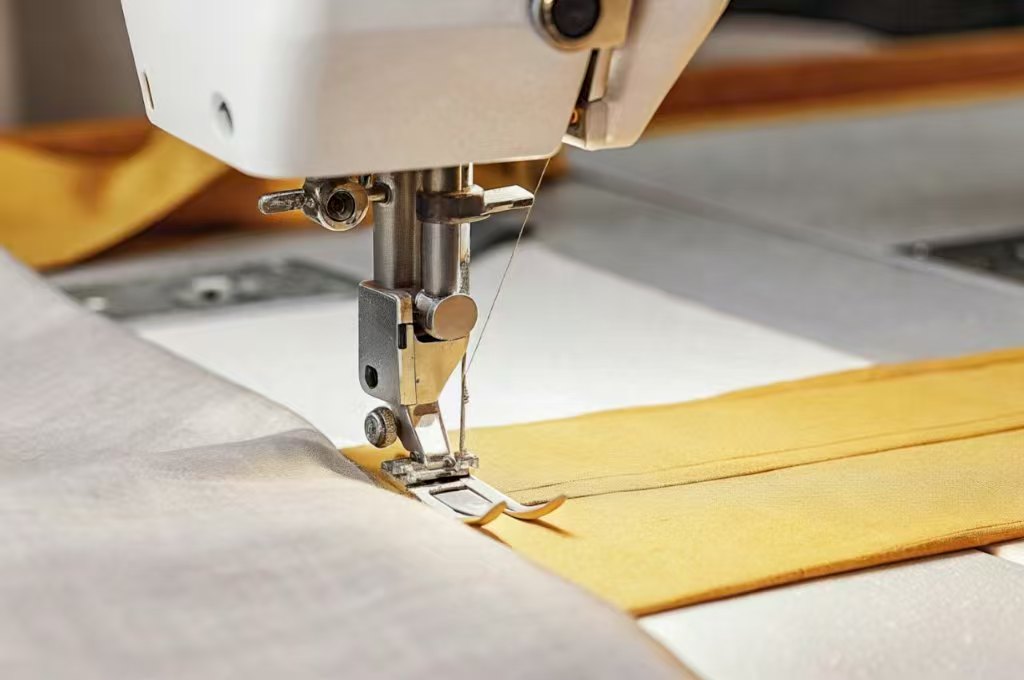
Sewing Machine Detail
The term “cut and sew” gets thrown around a lot in fashion, but many still misunderstand what it actually means.
In the apparel industry, cut and sew refers to the process of creating garments from rolls of fabric by cutting pieces according to patterns and sewing them together. It’s the opposite of buying pre-made blanks. It gives brands full creative control.
How Is the Cut and Sew Process Carried Out from Fabric to Finished Garment?
Each step matters:
- Design Development – Start with a tech pack or sketch
- Pattern Making – Convert sketches into flat, technical blueprints
- Fabric Sourcing – Choose from jersey, fleece, woven, bamboo, etc.
- Cutting – Laser or manual cutting based on digital markers
- Sewing – Stitching pieces together with attention to seams and construction
- Finishing – Add labels, tags, and trims
- Inspection & Packing – Quality check before shipment
I remember one client wanted to use 3 different fabrics in one hoodie panel. Only cut and sew could make that vision work with precision.
What Makes Cut and Sew Apparel Different from Ready-Made or Pre-Fabricated Clothing?
| Feature | Cut and Sew | Ready-Made (Blanks) |
|---|---|---|
| Starting Point | Raw fabric rolls | Pre-sewn garments |
| Flexibility | High – Any shape, panel, seam, or trim | Low – Limited to existing shapes |
| Customization | Fully custom in design and fit | Decoration only (print/embroidery) |
| Ideal Use | Fashion brands, designer lines | Merch, mass-market drops |
| Value Perception | Premium, long-lasting | Budget-friendly, fast turnover |
In short, cut and sew lets brands tell their own story instead of adapting to someone else’s.
What Are Classic Examples of Cut and Sew Apparel?
Cut and sew is everywhere once you know what to look for—from streetwear to luxury.
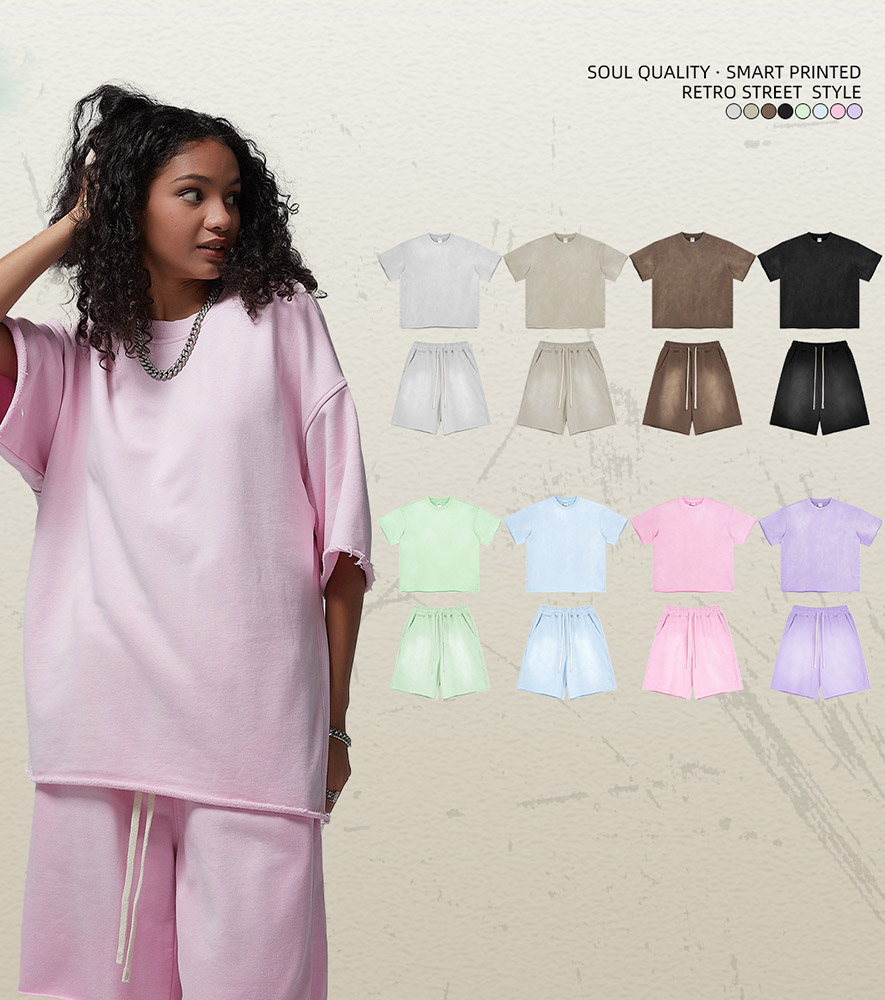
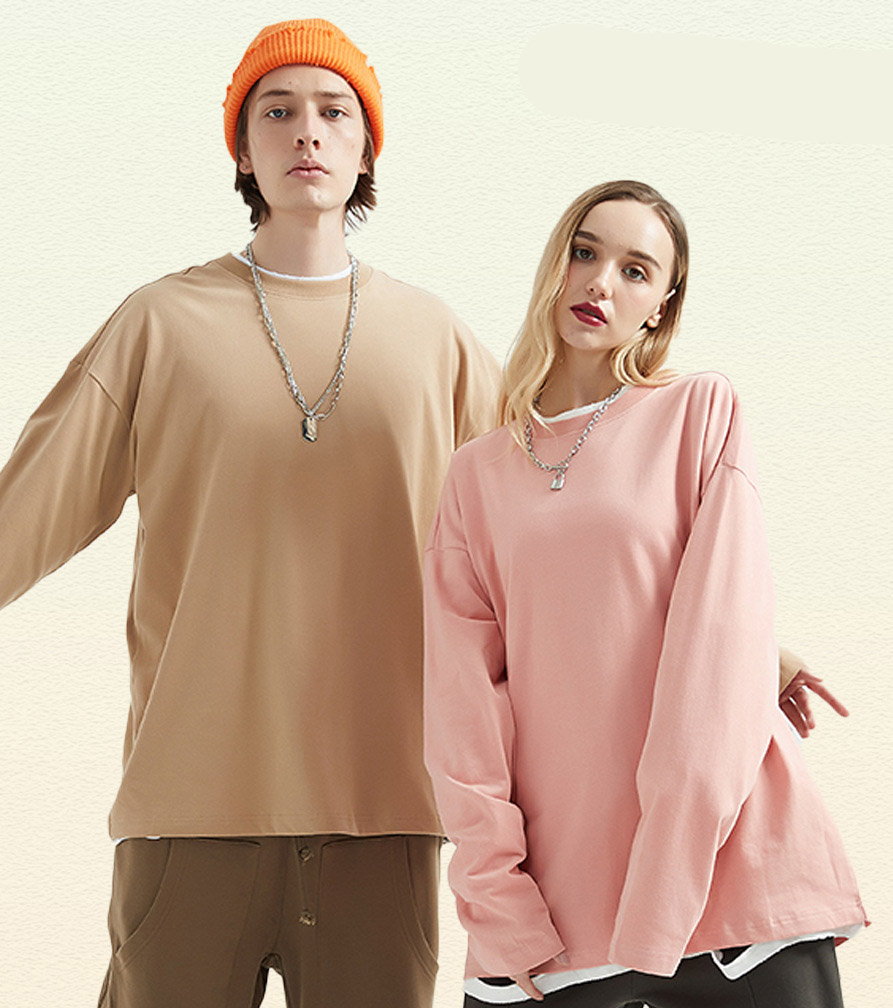
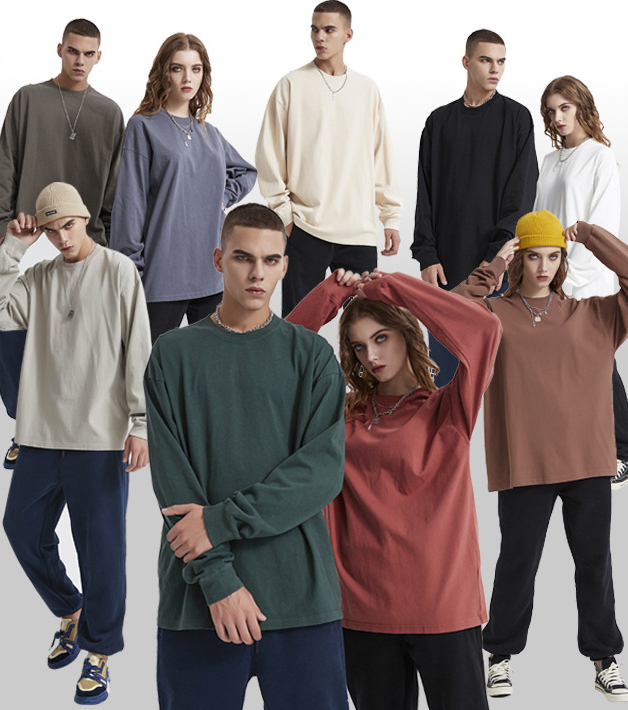
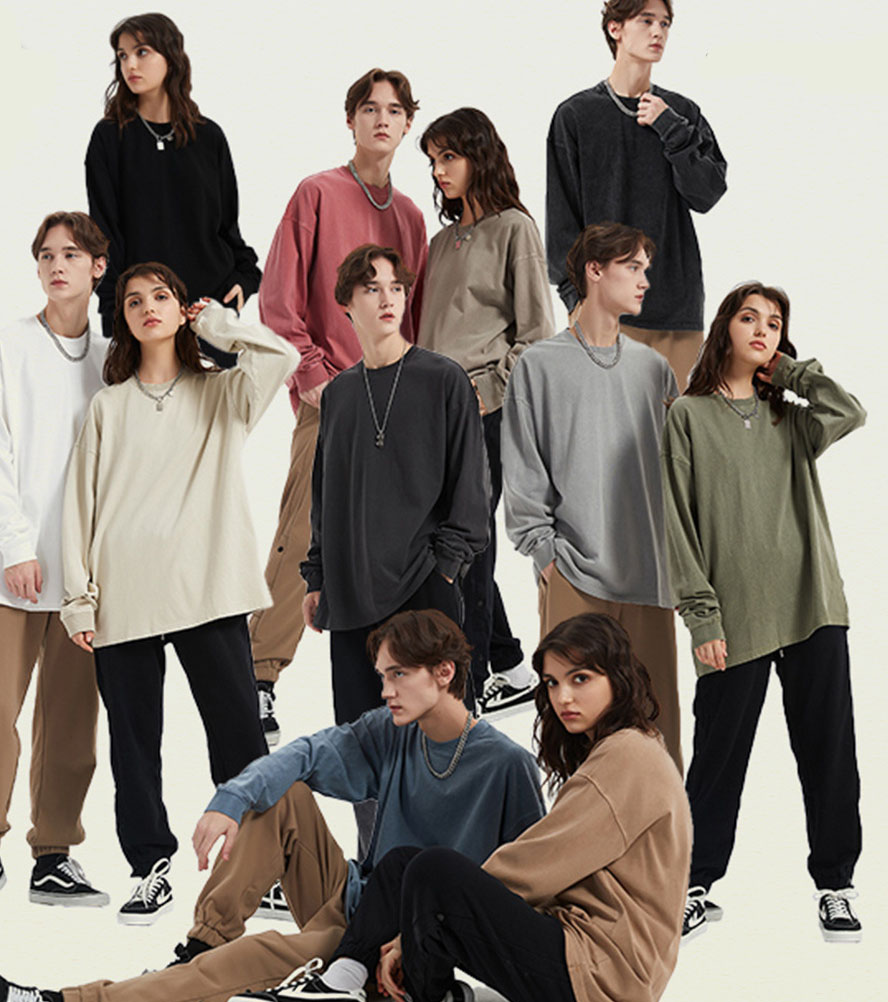
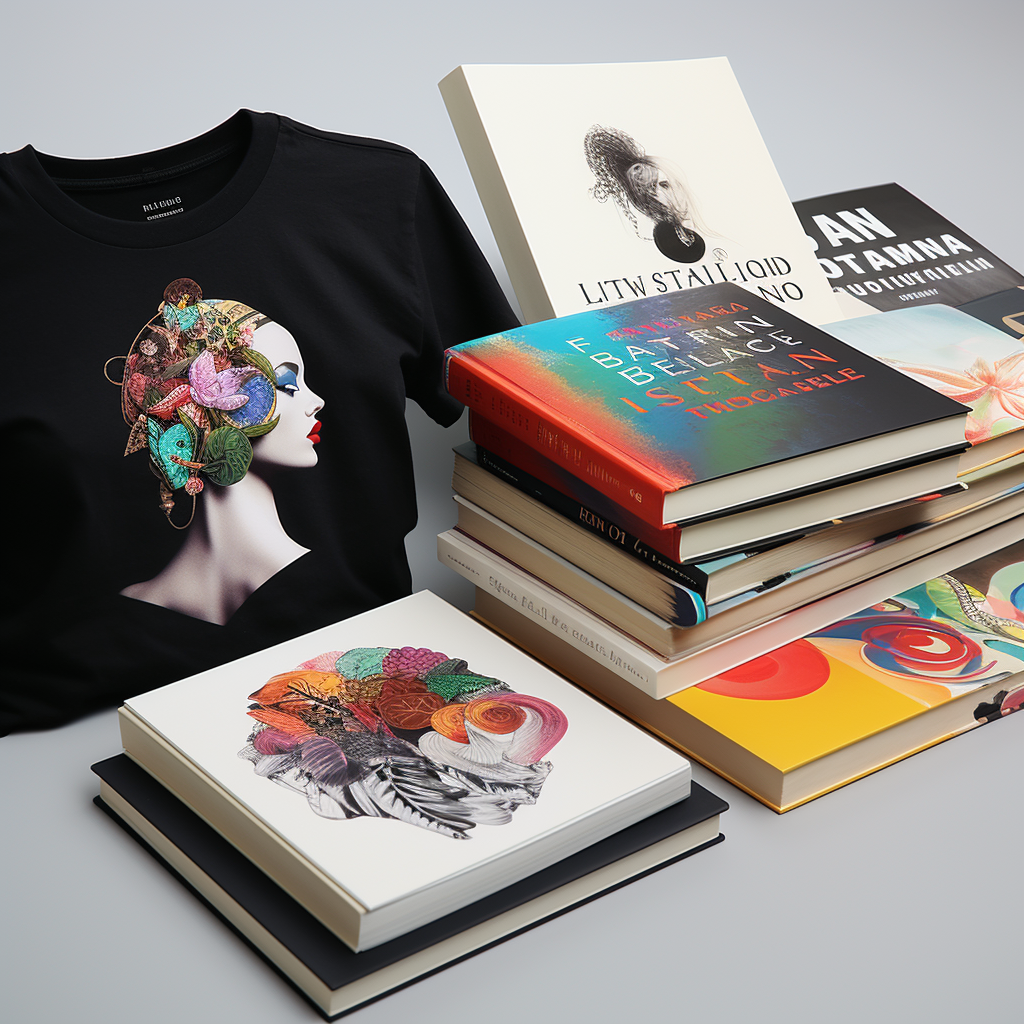
Examples of cut and sew apparel include custom T-shirts5, hoodies, sweatshirts, button-down shirts, suits, outerwear, joggers, and dresses. These garments need unique construction, which only cut and sew can deliver.
How Are Custom T-Shirts, Hoodies, and Sweatshirts Made Using Cut and Sew Methods?
A great hoodie doesn’t start with a blank. It begins with an idea.
- Choose fleece weight: 280gsm, 320gsm, brushed or unbrushed
- Define structure: drop shoulders, oversized fit, panel cut
- Add custom hood lining, thumbholes, kangaroo pockets
- Insert brand identity: inside woven label, rubber logo patch
I once worked with a client who requested color-blocked sleeves with different textures. We made it happen—and it became their best-seller.
Why Are Suits, Dresses, and Outerwear Often Produced with Cut and Sew Manufacturing?
These categories demand structural precision. Here’s why:
- Suits require custom shoulder shaping and lining
- Dresses rely on darts, panels, and fabric drape
- Outerwear integrates layers like insulation, zippers, and storm flaps
Off-the-rack could never match the polish cut and sew offers here.

What Is the Process for Making a Cut and Sew Garment?
What happens after your design sketch? Let’s break it down step-by-step.
Cut and sew production follows a linear process—starting with design and patterns, moving to sample creation and approval, then bulk production and quality control. Each phase allows for fine-tuning fit, fabric, and craftsmanship.
How Are Patterns Created, Fabrics Cut, and Pieces Sewn Together?
| Stage | Description |
|---|---|
| Pattern Making | Drafted manually or digitally using CAD software |
| Fabric Cutting | Auto-spreader lays fabric; laser cutting follows |
| Sewing | Skilled workers follow spec sheet instructions |
| QC | Trim, stitch, fit, and color are all checked |
Even 1mm off on a pattern can ruin a fit. That’s why precision at this stage is everything.
What Steps Are Taken for Sampling, Fitting, and Quality Control?
- First Prototype (Proto Sample) – Built from specs
- Fit Sample – Checked on mannequins or live models
- Pre-Production Sample (PPS) – Confirmed before bulk
- Bulk Quality Check – In-line and final inspection
We once caught a fabric shade variation during pre-production. Fixing it saved the client from brand embarrassment and customer returns.
How Do Cut and Sew Apparel Manufacturers Support Customization and Flexibility?
Customization is no longer optional. It’s how brands differentiate.
Cut and sew offers infinite room for creativity—from selecting niche fabrics and pantone-specific colors to applying premium finishes and branding. Brands can shape identity and product appeal.
How Can Brands Choose Fabrics, Colors, and Unique Design Details?
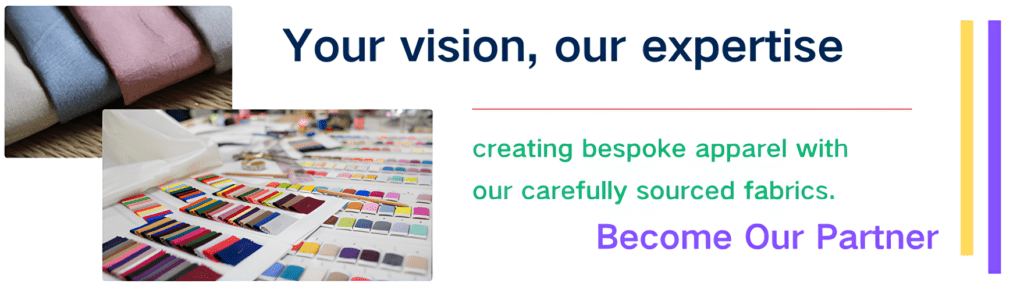
Top manufacturers provide:
- Fabric swatch libraries (organic cotton, modal, RPET)
- Pantone dye-to-match service
- Embellishment capabilities:
- Puff or screen printing
- Silicone patch application
- Reflective trims and pipings
- Laser-cut logos
Simple Fabric Selection Table:
| Fabric Type | Common Use Case | Benefits |
|---|---|---|
| Cotton Jersey | T-Shirts, Dresses | Breathable, soft, natural |
| French Terry | Hoodies, Sweatpants | Durable, midweight |
| Spandex Blend | Activewear, Compression | Stretchable, performance-driven |
What Are the Benefits of Cut and Sew for Private Label and Designer Brands?
- Full ownership of design and structure
- No brand dilution from generic blanks
- Ability to offer premium SKUs with higher margins
- Better customer loyalty through unique style
- Opportunity to scale gradually with low MOQs
When done right, it’s not just manufacturing—it’s brand building.
How Can Brands Find Reliable Cut and Sew Apparel Manufacturers?
The right factory can elevate your brand. The wrong one can break it.
Look for factories that offer strong pattern making, quick sample delivery, scalable capacity, consistent quality control, and transparent communication. The best ones are true production partners.
What Criteria Should Brands Use to Evaluate a Cut and Sew Factory?
| Evaluation Point | What to Look For |
|---|---|
| Sample Turnaround | <7 days with accuracy |
| QC Process | Multi-stage inspections and documentation |
| Sewing Team Skill | Able to handle complex or technical garments |
| Communication | Fluent English + quick responses |
| Fabric Access | Strong supply chain for specialty fabrics |
I always tell clients: visit the factory if possible. Ask to see their sample room and sewing line. That’s where the truth lies.
How Does Working with Cut and Sew Manufacturers Improve Product Differentiation?
- You control design, fabric, and branding
- You release styles the market hasn’t seen before
- You build a catalog that reflects your true DNA
- You earn more respect from customers and retailers alike
This is how brands move from commodity to cult status.
Conclusion
Cut and sew is the gold standard for brands who want more than just logo tees. It’s about vision, structure, and quality—shaped your way, from the first sketch to the final thread.
Let me know if you'd like to tailor this content further to highlight Modaknits specifically or build it into a downloadable PDF or pitch deck.
-
Explore the concept of cut and sew to understand its significance in garment creation. ↩
-
Learn about various garment manufacturing methods to compare cut and sew with others. ↩
-
Discover the importance of pattern development in creating unique garments. ↩
-
Understand the techniques of fabric cutting to appreciate the precision in cut and sew. ↩
-
Explore the process of making custom T-shirts to appreciate the craftsmanship involved. ↩