 Skip to content
Are these different-era hoodie brands shaping street style evolution?

Champion, Supreme, and Nike each led a wave in hoodie culture. Champion started as practical sportswear, Supreme became a streetwear icon, and Nike merged athletic tech with modern style. Their continuous evolution changed cuts, fabrics, and logos, making hoodies an enduring fashion statement for every generation.
Are product optimizations the key to beating rising costs from weight to accessories?

Costs are climbing because raw materials, labor, and logistics are more expensive. I can manage this through strategic product optimization. Weight adjustments and accessory choices can reduce spending without harming brand appeal. Consistent monitoring and flexible planning will help me survive the “high cost normal” stage.
How is a Standard T-Shirt Produced?

T-shirts are made by planning a design, choosing fabric, finalizing patterns, cutting, sewing, and adding finishing touches. Factories follow strict quality checks. Once done, they package and ship in bulk. This process ensures consistent output and meets brand standards.
How can environmentally friendly dyeing and finishing processes improve the sustainability of T-shirt products?
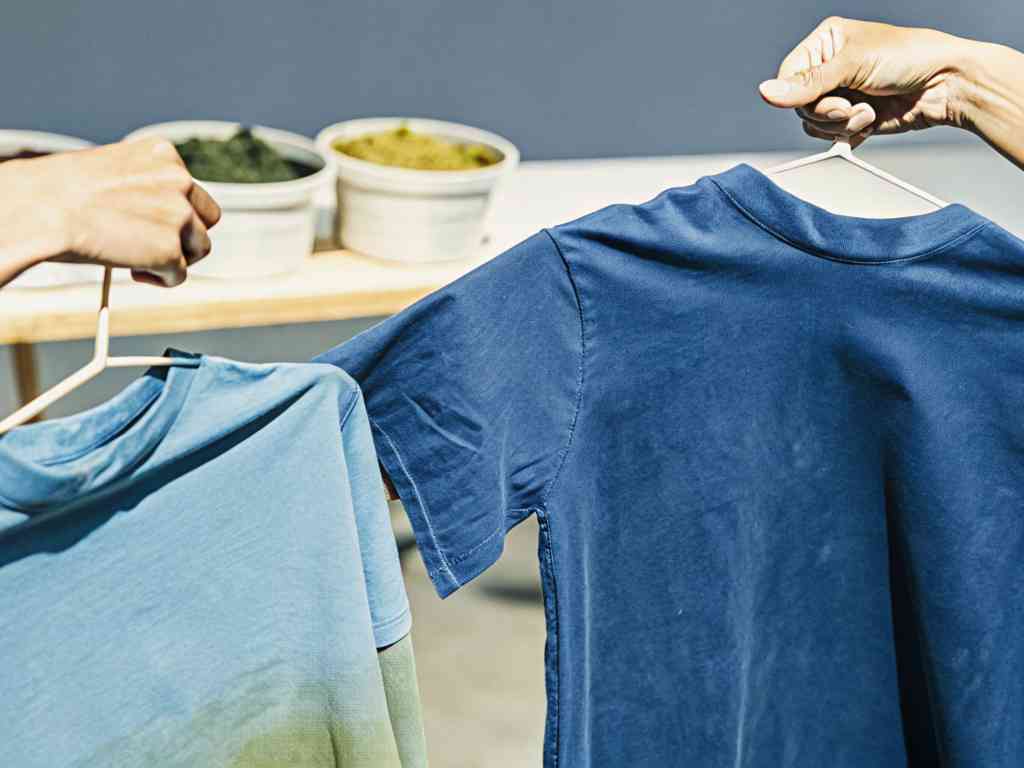
Environmentally friendly dyeing and finishing processes limit water use and reduce chemical discharge. They use safe dyes and optimized techniques, which lower carbon footprints and enhance fabric durability. By choosing methods such as low-water technology and non-toxic dyes, we improve T-shirt sustainability. This change helps safeguard natural resources and human health.
How to adjust T-shirt product design for different markets?

Adapting T-shirt design to local markets means combining cultural elements, matching fabric preferences, and adjusting features to each region’s climate. This tailored approach helps brands align with local buyer habits, avoid cultural pitfalls, and boost product acceptance quickly.
What are the advantages of selling T-shirts in physical stores?

Selling T-shirts in physical stores builds trust fast, boosts loyalty, and creates a memorable brand journey. Customers feel the product directly, see the real colors, and understand the vibe on a personal level. This real-life connection drives immediate confidence in the purchase.
What core capabilities are needed for the two T-shirt brand routes?
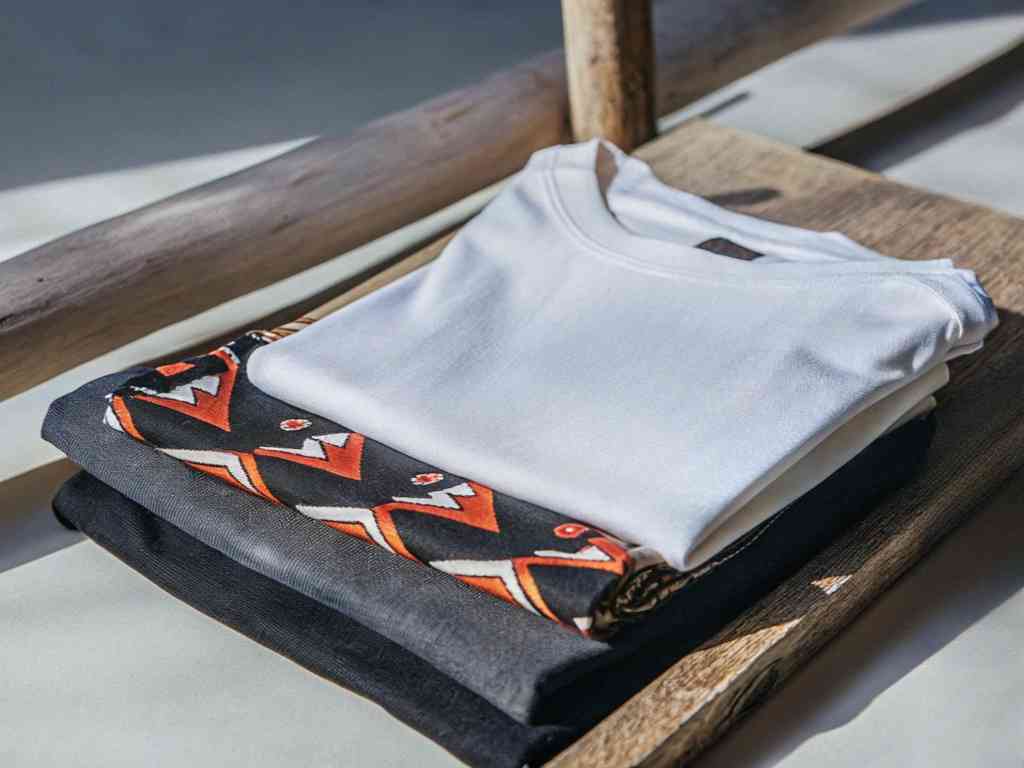
Young T-shirt labels rely on vibrant creativity, social media hype, and rapid product changes. Couture brands focus on premium materials, long-term reputations, and exclusive experiences. Both need strong brand identities, but they approach innovation and quality from different angles. Recognizing these core differences helps each brand thrive in its space.
What is the effect of fabric on printing?
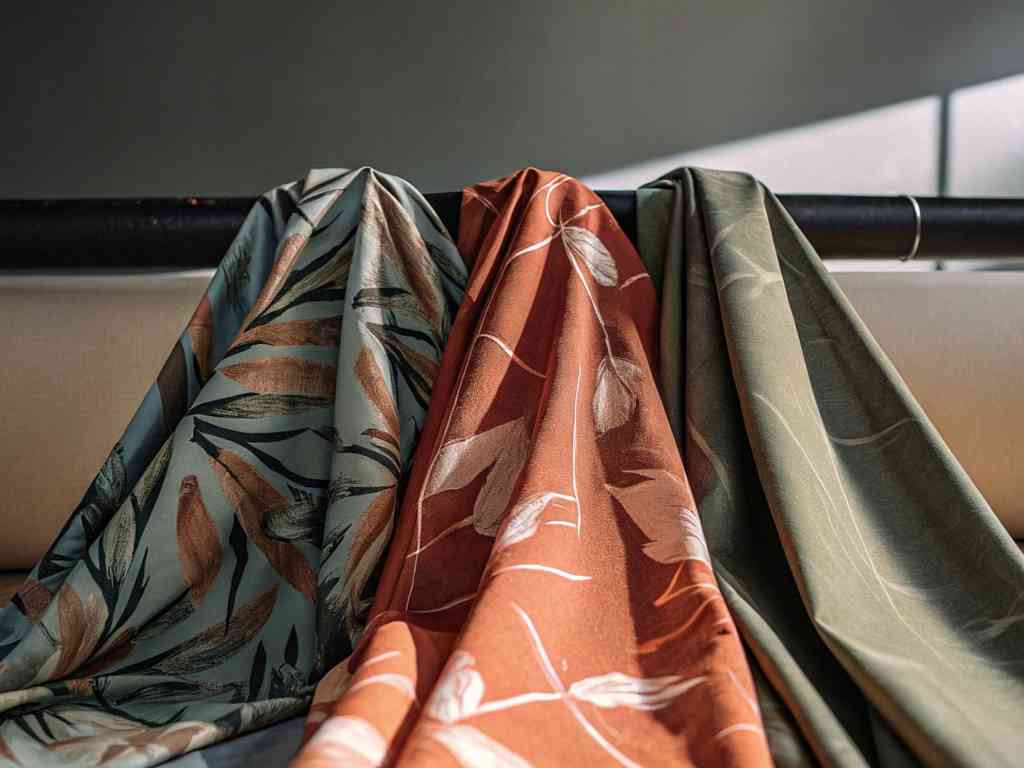
Fabric choice decides ink absorption and adhesion. Pure cotton, blended, and polyester each react differently to ink saturation, heat, and wash cycles. This impacts vibrancy, durability, and feel. When I match the right printing technique to the right fabric, the final design looks sharper and lasts longer.
How to select the target audience of a T-shirt brand?

research specific demographics, observe their style preferences, and align product design with their core interests. This saves money and prevents random guesswork. I have learned this through years of trial and error in my own brand.

